
Donate
Support us in the fight for a better food system.
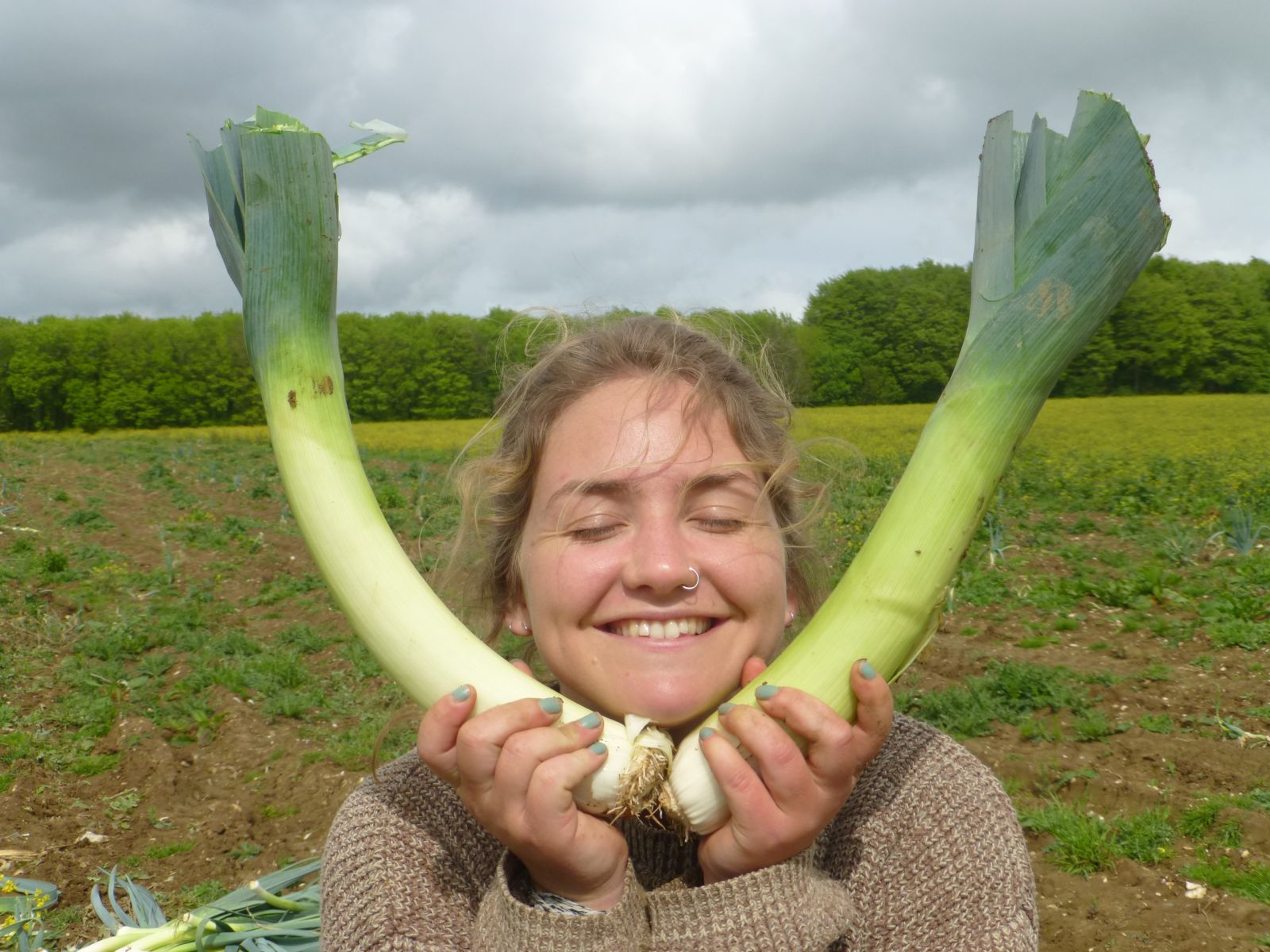
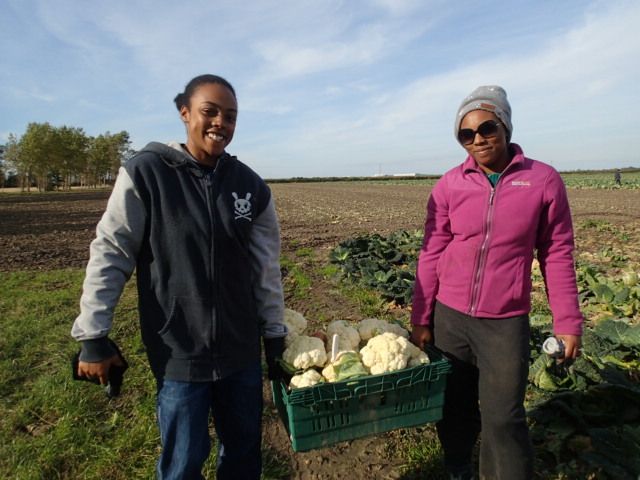
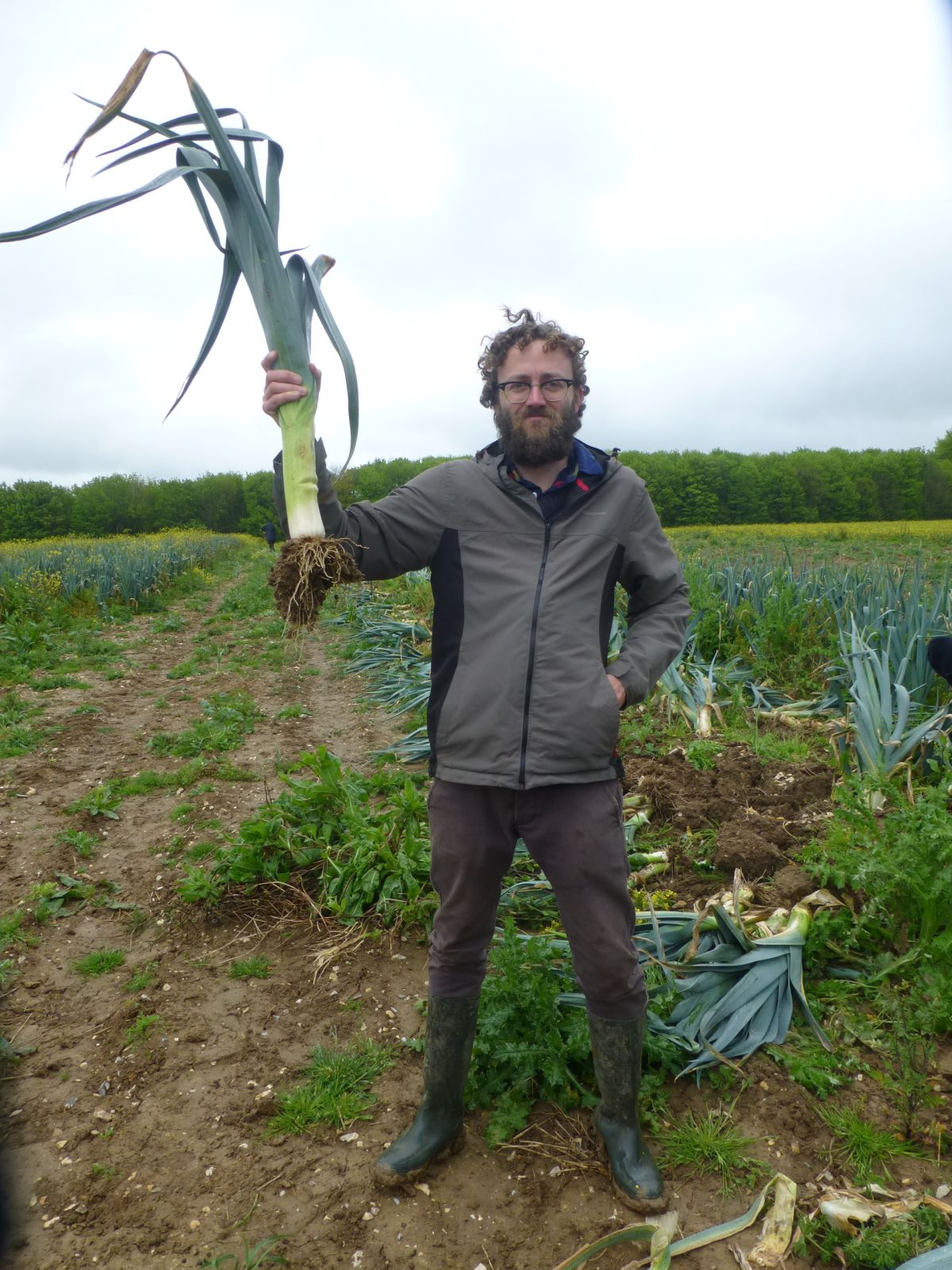
In 2012, in the very early days of Foodrise (then Feedback), a small group of food activists gathered in a field in Kent to harvest cabbages and cauliflowers that would otherwise have gone to waste after a last-minute supermarket contract cancellation. The term was “gleaning” was not a word the volunteers had heard before, but an activity they immediately loved. One of those original volunteers was Ren Piercey, now Foodrise’s Gleaning Network Project Manager, who has been involved in gleaning ever since.
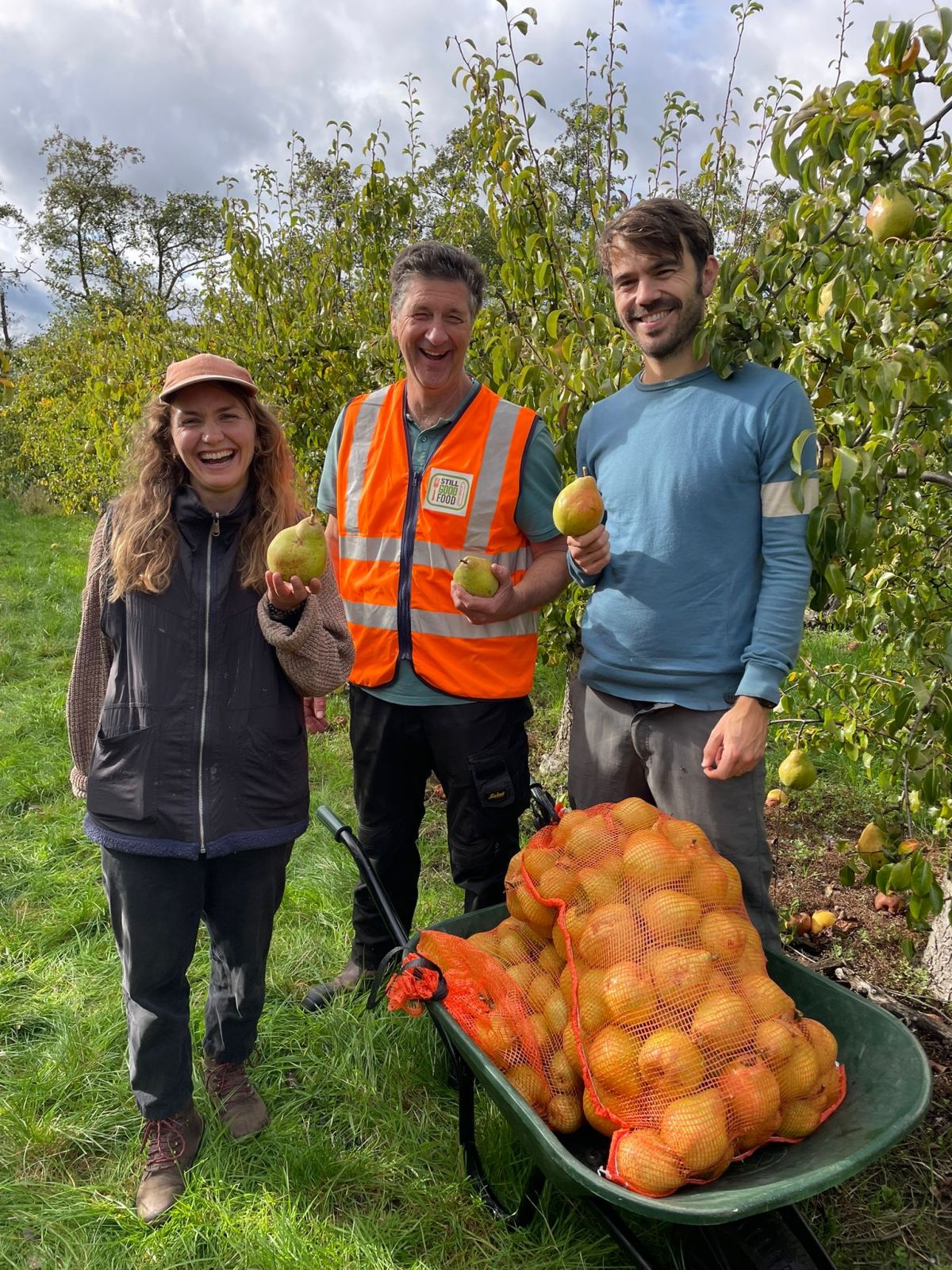
Over the past year, Ren has worked with six gleaning groups across England as part of a Defra-funded project, Ready, Steady, Glean. The aim was to increase the volume of surplus food leaving farms and encourage more farmers to welcome volunteers to harvest produce that would otherwise go unsold. The six groups, Still Good Food (Suffolk), Avon Gleaning, Khepera (Buckinghamshire), Sussex Surplus, Alchemic Kitchen (Merseyside) and Deal With It (Kent), rose to the challenge.
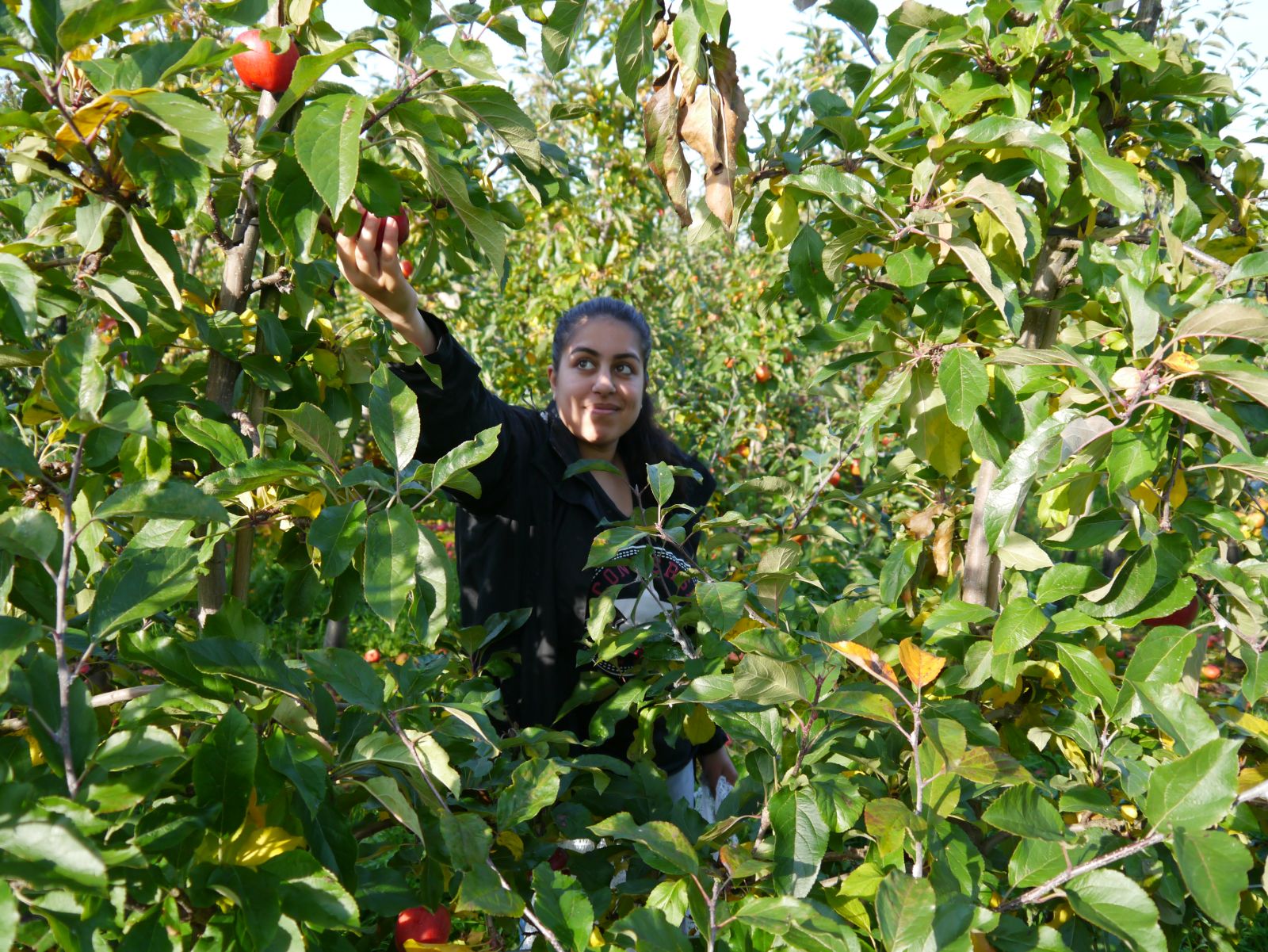
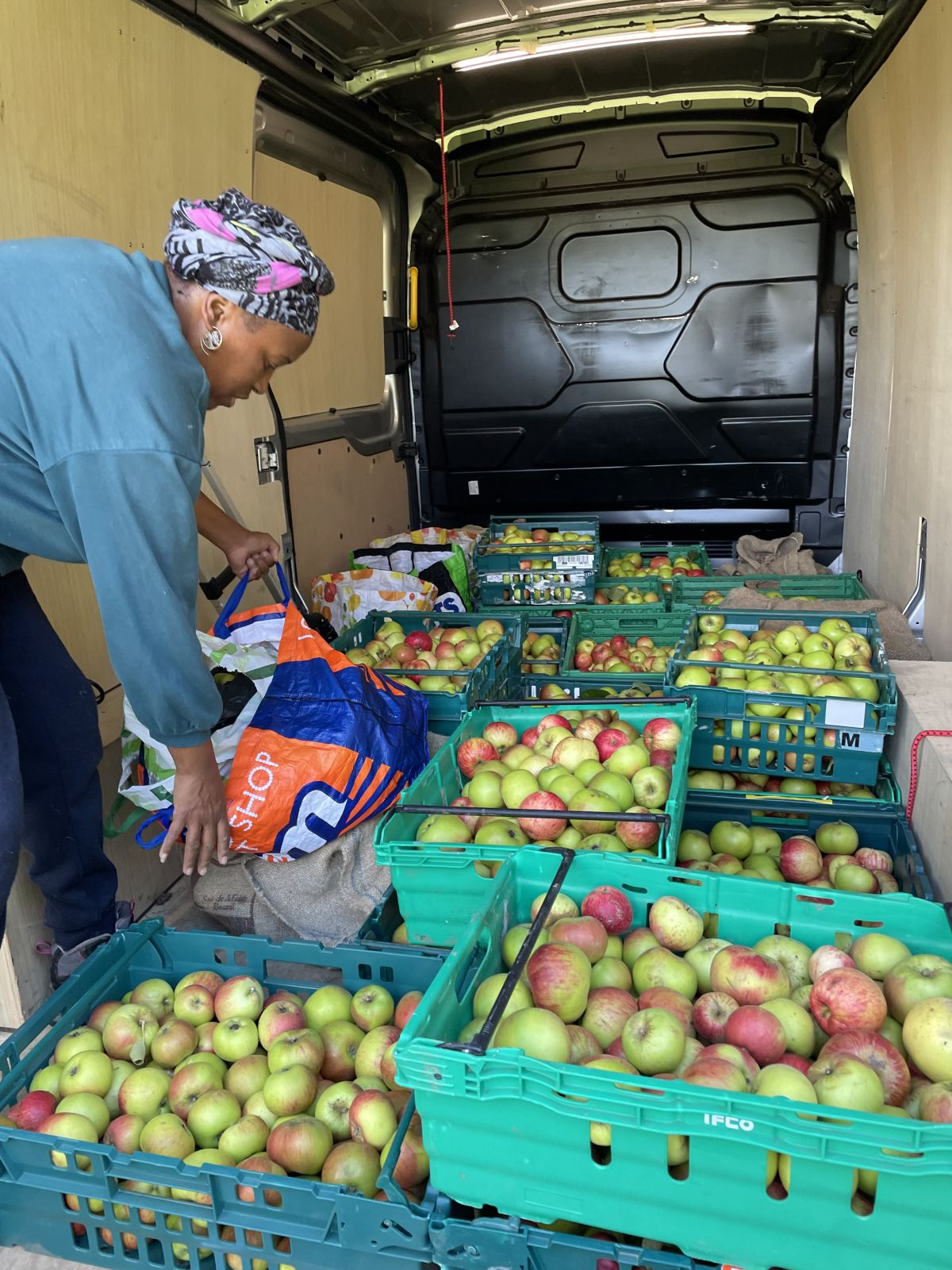
Between June 2025 and March 2026 these groups gleaned an impressive 80.2 tonnes of produce, equivalent to £95,267 in wholesale value, preventing 53,752kg of greenhouse gas emissions and providing over one million portions of food. This food has reached social supermarkets, community meals, school kitchens and a wide range of local food projects, as well as being shared among volunteers.
The funding enabled groups to expand their capacity by hiring coordinators and assistants, strengthening relationships with farmers and managing volunteer logistics. It also supported practical investments, from harvesting tools to infrastructure. Deal With It purchased a defibrillator, while Sussex Surplus invested in a shiny second-hand electric van.
A key focus of the project was to support gleaning groups to become more sustainable longer-term. Alongside increasing capacity, Foodrise supported groups to build skills in communications, grant writing and developing new income streams, ensuring they are better equipped to thrive in an increasingly competitive funding environment. We are grateful to Embrace Finance and Nova Fundraising for their support in the developing the capacity of the gleaning hubs.
This Defra project marks the final chapter of Foodrise’s direct coordination of the Gleaning Network, as the organisation shifts towards a national campaigning strategy. Over the years, gleaning has evolved from a Foodrise-led initiative into a thriving, community-driven movement. Today, independent groups work closely with local farmers and communities to ensure good food doesn’t go to waste.
These groups exist in all shapes and sizes, and operate in many different ways. Avon Gleaning runs small, regular sessions with a local community farm, while Still Good Food redistributes tonnes of surplus produce at scale. Whatever the model, each group plays an important role in connecting people to the realities of our food system.
Foodrise has always been clear: gleaning is not a solution to poverty. It should not replace a fair food system where farmers are paid properly for their crops, and everyone can afford nutritious food. But it is a powerful way to engage people – sparking awareness, conversation and action – whilst also offering a practical response to frequent occurrence of farm level surplus.
For many, including Ren, that impact is personal:
“Since that day on the field as a student in Kent, my life course was redirected. I was so outraged by the level of waste I saw and how hidden the issue was, I’ve been in the sustainable food and farming sector ever since. I’ve worked as a campaigner, food grower, food growing teacher, public health nutritionist and community organiser, all with a central aim of getting more people involved with food and how it relates to every element of our lives. Gleaning is a brilliant way to get people tangibly connected to their food system.”
The coordination of the Gleaning Network at a national level will now become a legacy project of Foodrise. While networks are vital for building movements, there is also value in knowing when to step back. Foodrise has played an important role in growing gleaning across the UK, but today, it is the independent groups who are leading the way. The Gleaning Toolkit website will continue to exist online as a resource for existing and prospective groups to consult and learn from.
With strong foundations, practical tools, and years of shared learning behind them, gleaning groups across the UK are well placed to continue growing and inspiring new initiatives. It seems fitting that the final funded project for the Gleaning Network involved groups whose existence has been supported and enabled by Foodrise, and managed by one the first ever gleaning volunteers.
While this Gleaning Network chapter is closing, the future of gleaning is firmly in the hands of groups and communities across the UK who are stronger than ever.

We use cookies where necessary to allow us to understand how people interact with our website and content, so that we can continue to improve our service.
We only ever receive anonymous information, and cannot track you across other websites.
