
Donate
Support us in the fight for a better food system.
From June 20th to 28th, 2026, London Climate Action Week (LCAW) took over a very hot capital city. In its eighth edition, the week brought together more than 75,000 people across over 1,000 events. From community gatherings to major international conferences, ministerial roundtables, and public art installations, climate action was happening across the entire city. We, Nina (Campaigner, Destructive Diets) and Molly (Campaigner, Industrial Aquaculture), hopped from stuffy tubes and scorching streets to cool, airconditioned venues to explore exactly what was on offer. Here is what we found…
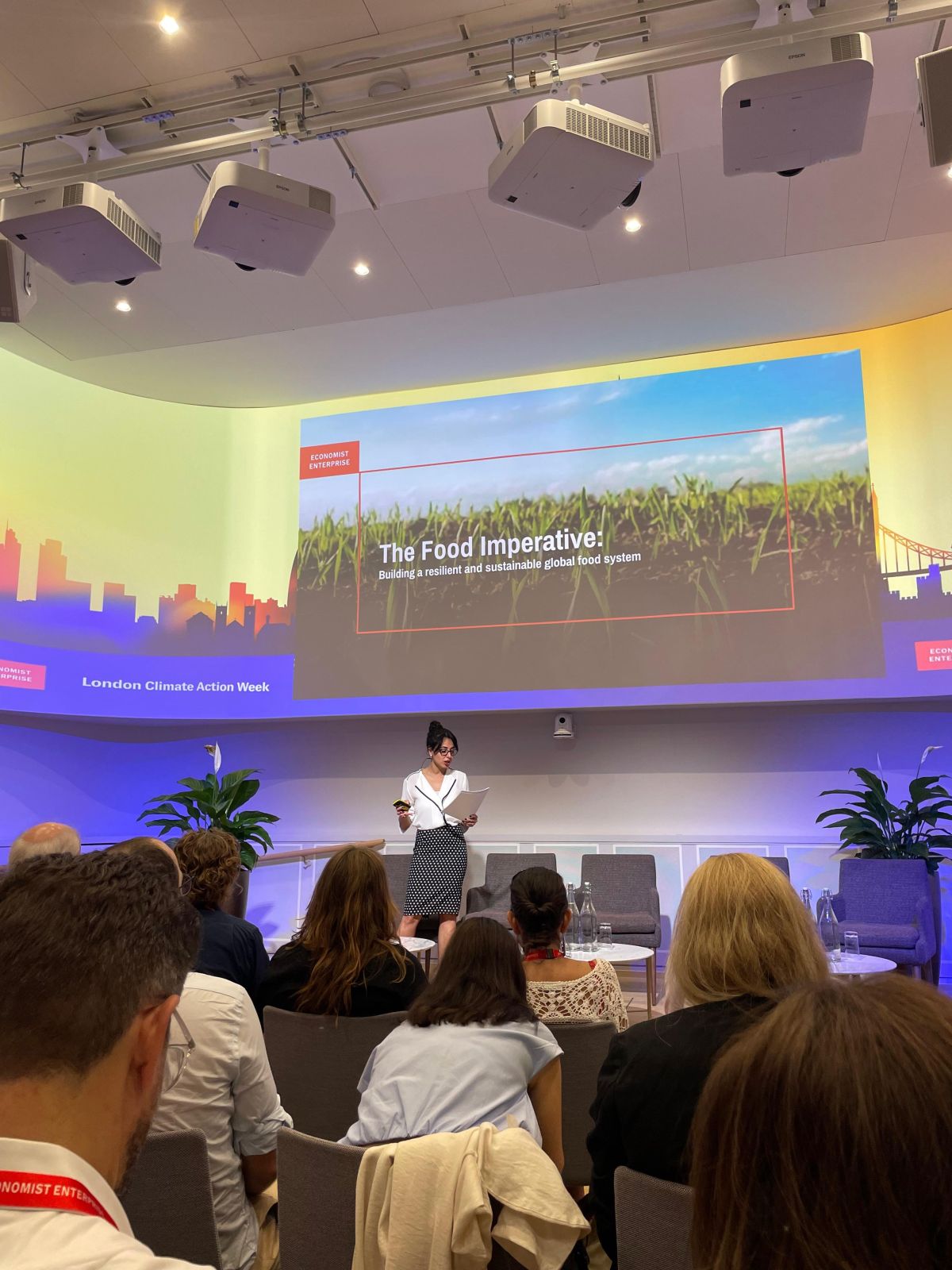
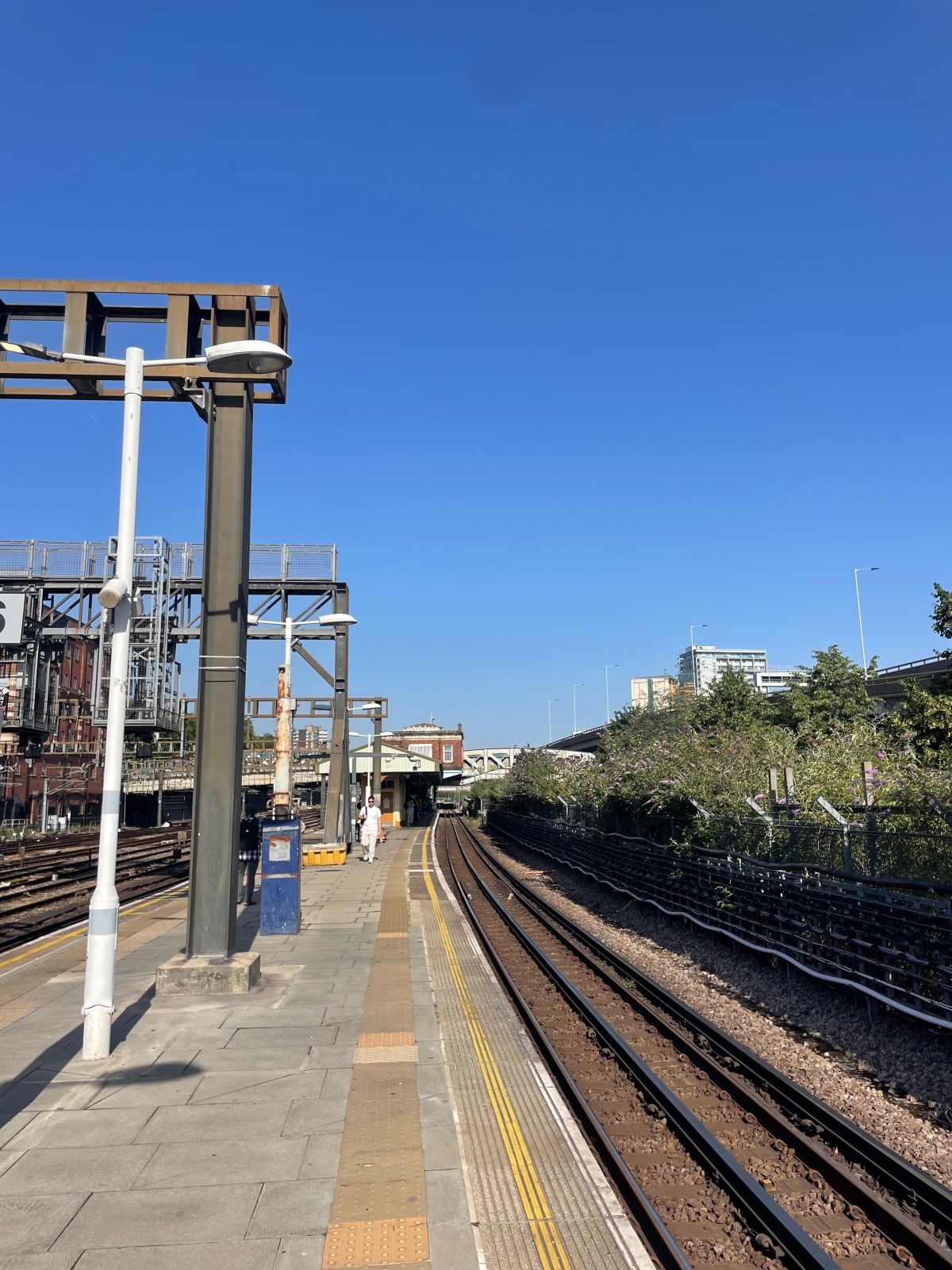
Molly: Our LCAW kicked off with a sweltering Tuesday morning tube commute to the Economist Enterprise’s Future of Food event. Bringing together senior leaders, policymakers, and local farmers, the panels dove into crucial discussions on resilient food systems, the importance of healthy soil and future-proof food. While the session on soil offered a breath of fresh air, briefly addressing the harms of corporate power and its impact on farmers, and the final panel brought up fantastic points regarding the lack of comprehensive food education in the UK, the overall event left us craving a bit more. For an industry-wide debate on whether we can scale sustainable food without spiking prices, the panels frequently shied away from the big questions. Corporate responsibility felt largely sidestepped, particularly on the first panel featuring PepsiCo’s Chief Sustainability Officer. We wanted to see a much more critical exploration of the corporate control of our food system, and systemic issues like ‘food deserts’ where people are unable to reach healthy, nutritious food easily, rather than placing the burden of nutrition on individuals. It was a thought-provoking morning that proved collective action is absolutely happening, but it also highlighted just how far we still have to go to challenge the status quo.
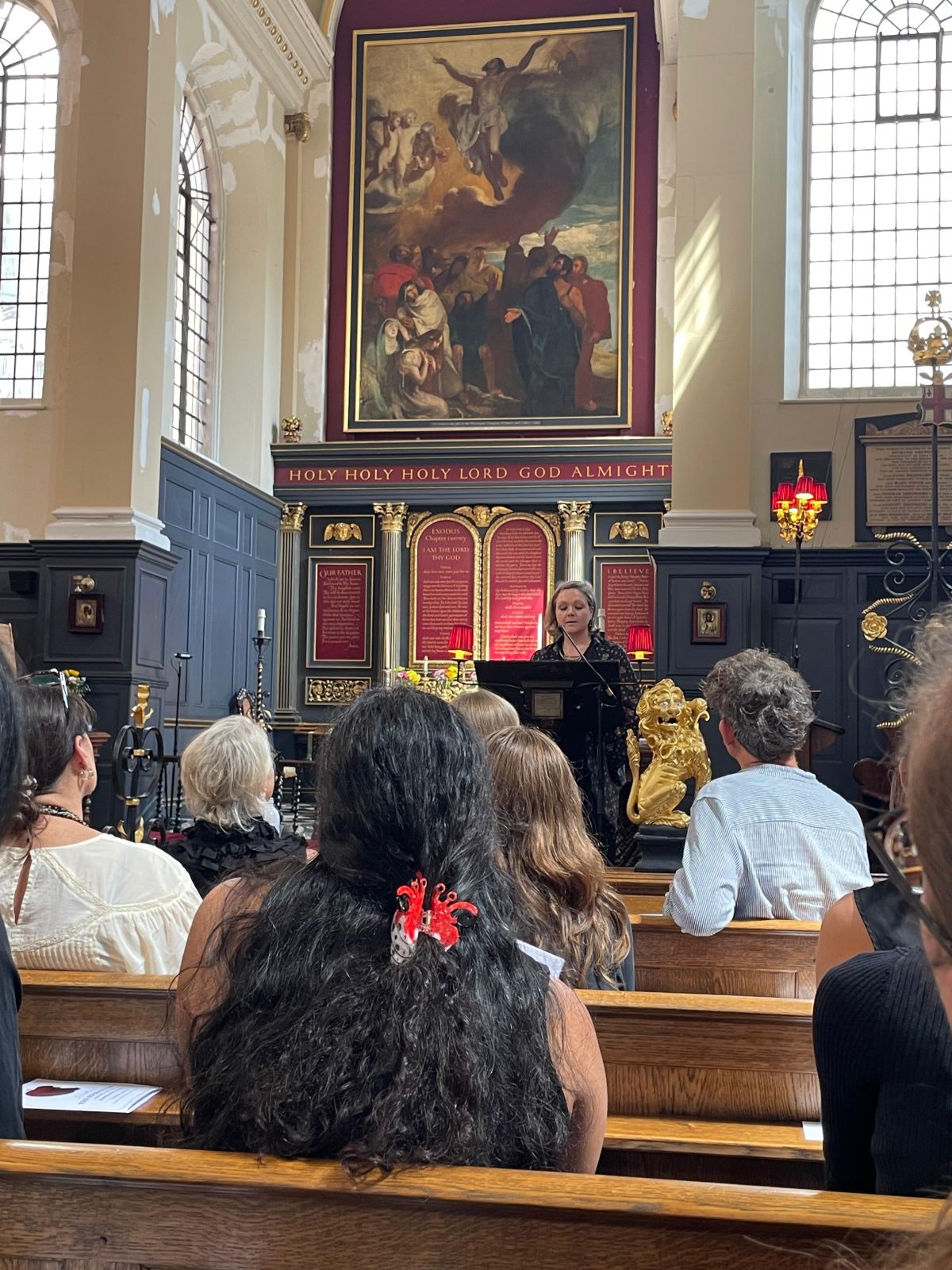
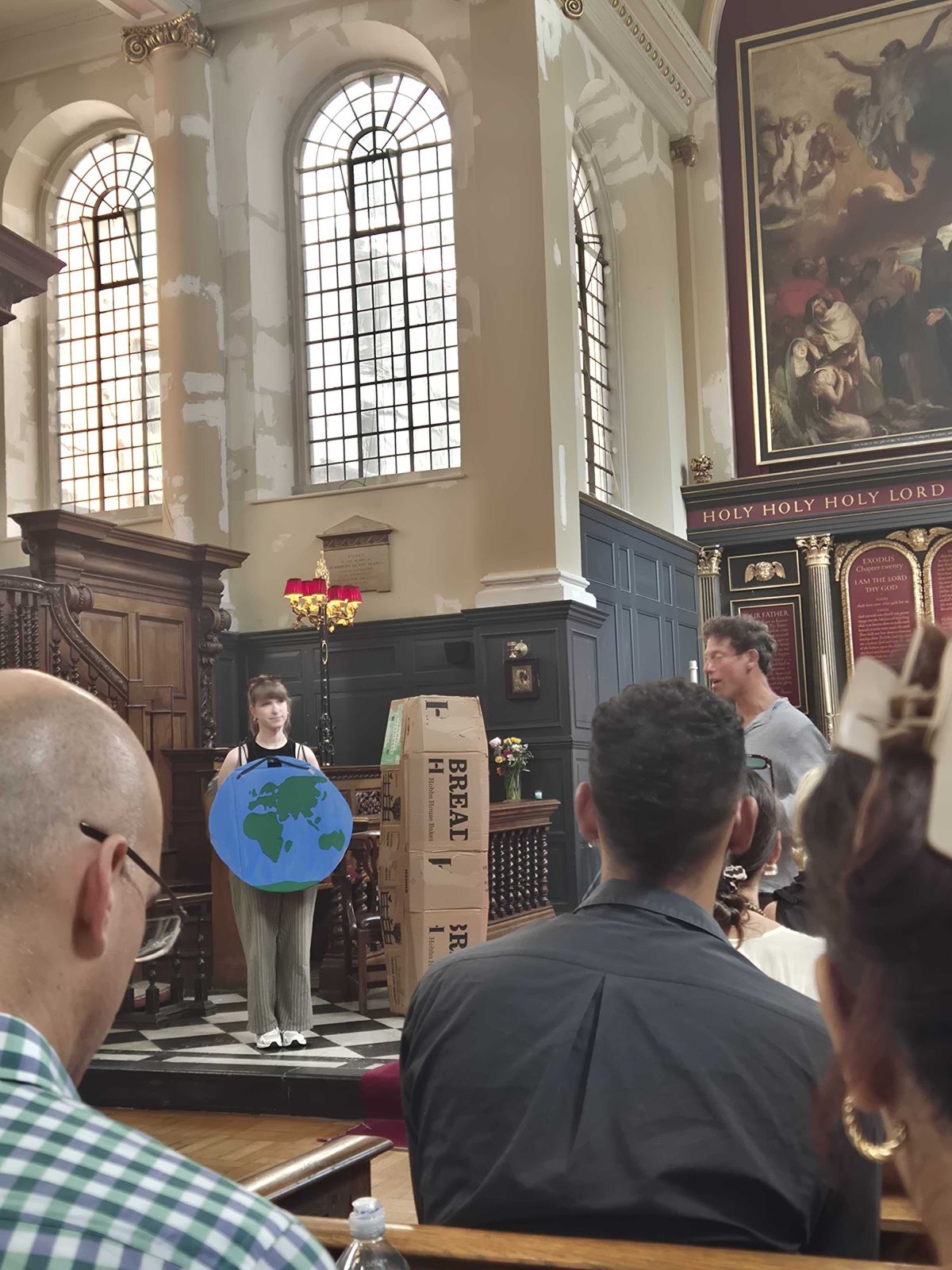
Nina: Next, we attended a Funeral for the Food System hosted by tmrw alongside fellow Foodrise campaigners Suni, Natasha and Amelia. Hosted in the beautiful St James Garlickhythe in the heart of the city, this event was truly spectacular. As expected from a funeral, the atmosphere was sombre but artfully blended grief with hope and humour. We heard from a variety of speakers, including our very own Natasha Hurley, City St George’s professor Tim Lang, and Bite Back youth activist Farid, who displayed confidence and poise we could have only dreamed of at his age. The eulogies were followed by a chance for us to pay our respects to the Earth, in the form of ProVeg’s Juliette Tronchon, and a delicious sustainable lunch kindly provided by Polly Baldwin of the Hopeful Plate. Overall, we left this event feeling refreshed (and not just because the church was a lovely respite from the heat) and reminded of how creative and fun activism can look.
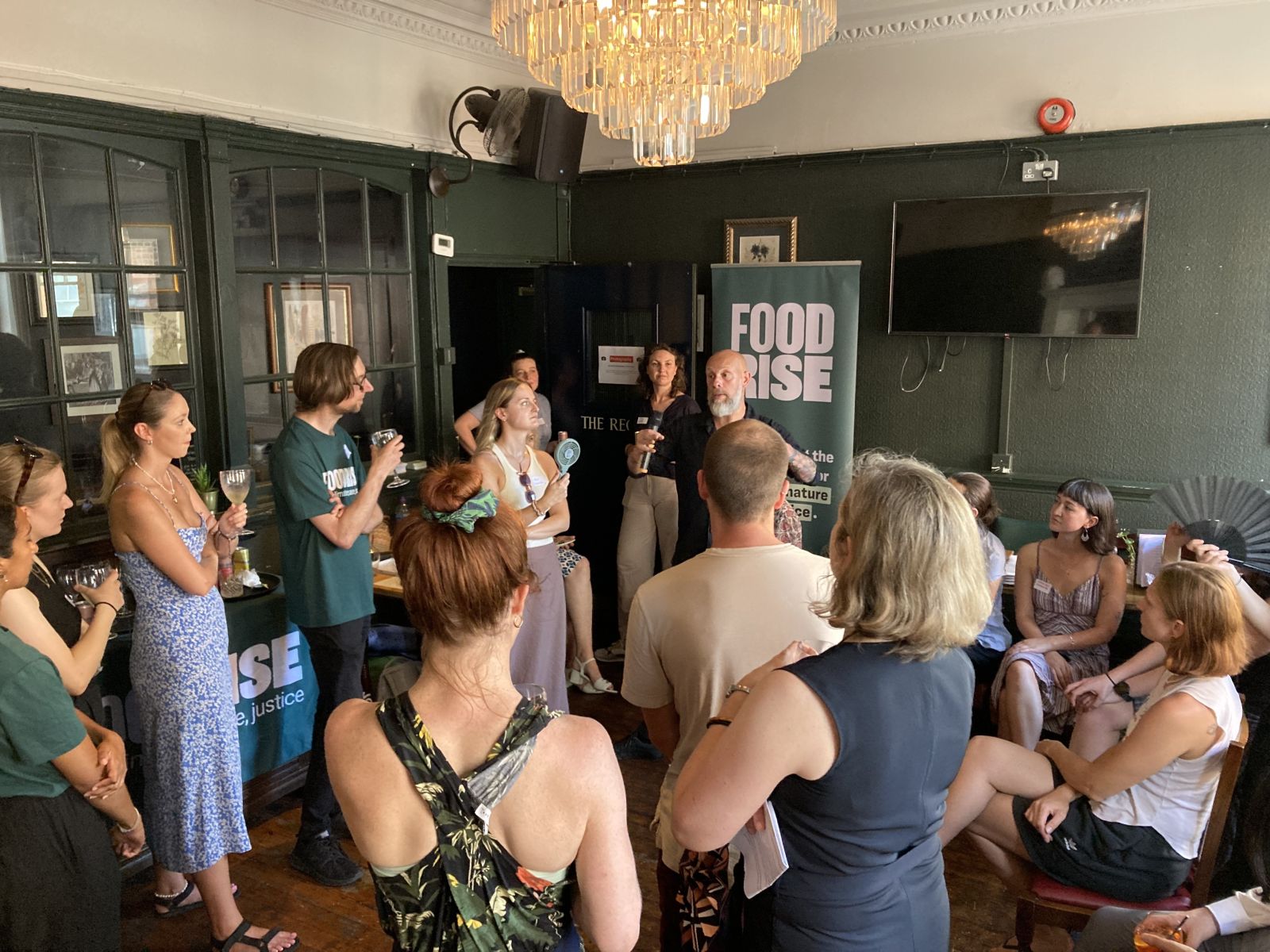
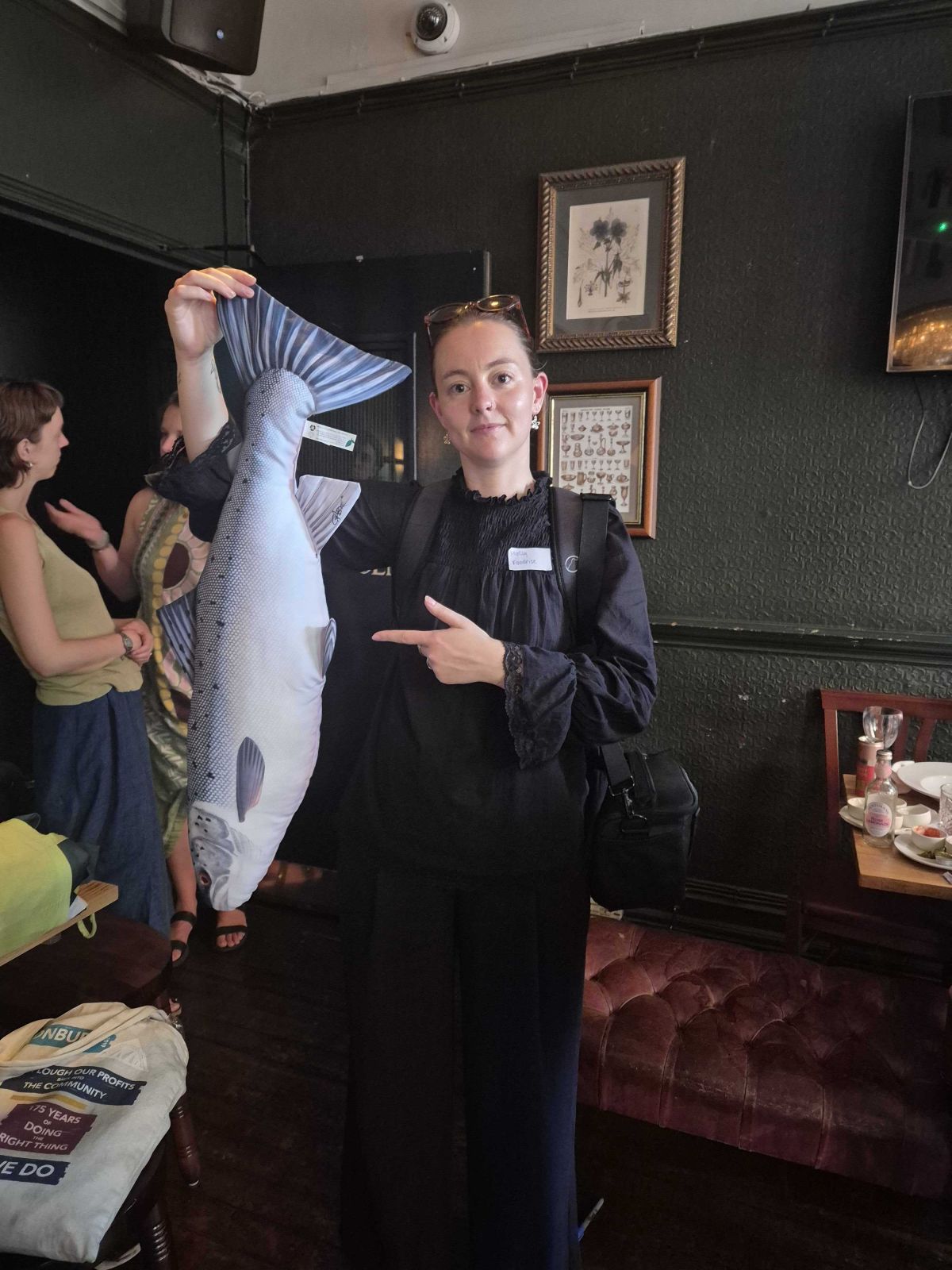
Molly: In the evening, we headed west to Marylebone for Foodrise’s very own LCAW event, Dismantling Corporate Power in Food Systems, for Climate, Nature, and Justice. The atmosphere was incredibly welcoming, blending drinks, nibbles, and an energetic space to connect with like-minded allies determined to challenge a system that exploits people and the planet for profit. We heard from WildFish on the ecological toll of commercial salmon farming, OrganicLea on bridging the gaps in UK horticulture education and land access, and Communities Against Factory Farming (CAFF) on how communities can strategically use planning laws to block factory farms. It was the perfect mix of sharp, grassroots expertise and relaxed networking. We left feeling inspired, re-energised, and reminded of what’s possible when the sector comes together to advocate for genuine food justice.
Nina: To wrap up my LCAW, I attended the Beyond Fertiliser Dependency: Global South Pathways for Food Security and Climate Resilience event in the stunning Hoxton in Holborn. Aside from fantastic catering (including vegan pick and mix… I mean, come on), the event also provided some great insights into alternatives to nitrogen fertiliser and issues plaguing the industry. We started off with a presentation by Mariangela Hungria from the Embrapa Brazilian Agricultural Research Institute about her award-winning work on biological nitrogen fixation (i.e. using microbes living in the soil instead of synthetic fertilisers). It was fascinating hearing her speak about her research and the positive impacts it has already had on Brazilian farmers. This was followed by 2 panels: “The Global South Response” and “Rethinking Fertiliser in a volatile world”. I really appreciated the opportunity to hear from Global Majority voices, who can often be sidelined in climate conversations.
Molly: To wrap up my jam-packed LCAW, I spent Friday morning at On Fire and Under Fire: Climate, backlash, and winning with working class communities, hosted by the TUC and NEON. The core takeaway was a reminder of the mounting tension between climate action and job security. If we are going to achieve a genuinely just transition, the environmental sector must do a much better job of listening to industrial heartlands and working-class communities, who currently feel deeply isolated from elite climate policy. A striking stat from the day really drove this home: a traditional gas boiler engineer moving into climate-positive heat pump installation faces an immediate 20% pay cut. When climate policies actively threaten a worker’s livelihood, it creates a vacuum that the far-right is all too eager to exploit. This event was an eye-opening reminder that a climate-safe future cannot be achieved in a silo, this transition must be anchored in people’s real lives, protecting workers and leaving nobody behind.
If we had to sum up the past week in 2 words, heat and hope come to mind. Whilst a record-breaking heatwave during LCAW is certainly a unique type of poetic irony, it was also a well-timed reminder of how urgent of an issue the climate crisis is and how essential radical and effective action has become. It was fantastic to see the range of conversations being had all throughout the city and while some events didn’t deliver the impact we had originally hoped, we walk away with a renewed sense of optimism, hope, and community. We’re already looking forward to LCAW 2027, but until then, there is work to be done!
We use cookies where necessary to allow us to understand how people interact with our website and content, so that we can continue to improve our service.
We only ever receive anonymous information, and cannot track you across other websites.
