


We all know sugar is bad for our health. But were you aware just how bad it is for our soil?

Overall 75% of global soy production ends up in animal feed.

This week climate negotiators from around the globe gather in Madrid. Will they remember the importance of addressing food systems?

Foodrise's campaigner Martin Bowman argues in The Grocer that voluntary, industry-led action is failing to achieve change on food waste.

Since we began our community-led Gleaning project over a year ago, there are 21 Gleaning groups in England alone – will yours be next?

Industrialised animal agriculture has much in common with Big Oil and its catastrophic climate impacts - and shares some solutions.

Alchemic Kitchen launches its Christmas collection of no-waste preserves

The first and the most important thing I learned was NOT TO WASTE FOOD.

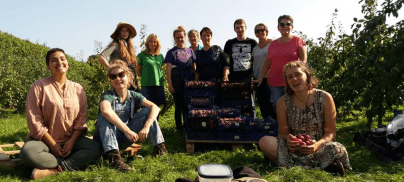
My first day on the team at Alchemic Kitchen was spent at Speke Hall’s orchard, picking the apples that ordinarily go unpicked.

I had never been to a commercial fruit farm before attending a glean with Foodrise.
Organisations working for a sustainable future have a responsibility to take the lead.
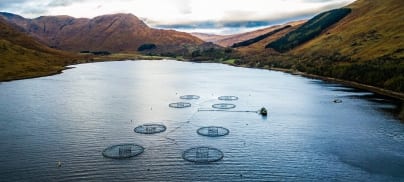
Read our latest blog on the Food Climate Research Network.

A small quantity of sugar goes a long way in this cake recipe

How the youth climate strikes movement helps me hold on to hope in the face of climate catastrophe

We should be crying over spilled milk and taking tangible steps to reduce food waste in the face of climate catastrophe.

Instead, the UK must ban imports of soy for animal feed.

The Amazon is on fire. Investors share the blame. They need to become part of the solution.

Find out why we should feed food surplus to pigs and how it can be done safely.

We use circular economy principles to create value from surplus food – using it to feed people, animals and the soil.

We ranked supermarkets regarding their progress in shifting their offerings away from meat, as well as looking at the quality of the produce
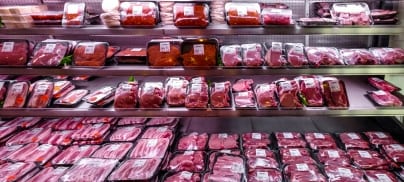
Find out how the supermarkets performed in our 'less and better' meat scorecard.
Why food policy must deliver sustainable diets, shorter supply chains and (finally) prevent food waste.

For an industry supposedly committed to transparency we are disappointed by the low level of engagement
We use cookies where necessary to allow us to understand how people interact with our website and content, so that we can continue to improve our service.
We only ever receive anonymous information, and cannot track you across other websites.
