Research

From launching legal action and producing hard-hitting research to working with local communities, we drive systemic change across food and farming — powered by grassroots energy and backed by credible research.

Archived
May 2022

The future of surplus food redistribution in the UK: Reimagining a ‘win-win’ scenario

Surplus food redistribution (SFR) is hailed as a ‘win-win’ strategy to address both household food insecurity and food waste. However, SFR is condemned as being a ‘band-aid’ solution that addresses neither the fundamental socio-economic causes of poverty, nor the systematic roots of food waste. This research aims to set an agenda for the future of SFR in the UK for the next five to 10 years, including policy interventions required to achieve this future. The future of SFR lies in a truly sustainable food system that meets the needs of the people and delivers socio-economic benefits whilst respecting planetary boundaries. In this future, SFR is no longer required as a solution for food waste or household food insecurity. Finally, the study identifies five pathways leading to this future: i) rejecting the SFR ‘win-win’ narrative ii) tackling systematic food overproduction iii) eradicating poverty iv) delivering food security within planetary boundaries, and v) balancing uneven power distribution amongst food system actors. The proposed interventions are relevant to food and waste policies, and offer insights to transition pathways for sustainable food and other socio-technical systems.
Download Archived
Archived
April 2022

World’s largest meat company, JBS, increases emissions by 51% in five years despite 2040 net zero climate target, continues to greenwash its huge climate footprint

October 2022 Update: Joint Statement by IATP, Feedback and DeSmog on JBS’ response to our research published in April 2022 on its GHG emissions  JBS, which is the largest meat processor in the world, increased its annual greenhouse gas emissions by a whopping 51% between 2016 and 2021, from 280 million metric tonnes to 421.6 million metric tonnes (mmts), based on the Institute for Agriculture and Trade Policy (IATP)’s latest calculations.[1] This is more than fossil fuel giant Total’s 2020 emissions.[2] It is more than Italy’s annual climate footprint and 95% of France’s (at 443 mmt). As JBS prepares for its annual general meeting (AGM) on 22 April in São Paulo, this briefing outlines how the company’s “green” claims fail to live up to reality and the meat giant continues to mislead in its communications with investors and the public.
Read More Download Archived
Archived
March 2022

Joint open letter: EU food supply and solidarity response to the war in Ukraine

"Both the COVID-19 pandemic and the war in Ukraine have shed light on the weaknesses of the European food system." Read our joint letter on EU food supply and solidarity response to the war in Ukraine.
Download Archived
Archived
March 2022

Towards an inclusive, low-carbon food surplus sector: recommendations for UK policymakers

A policy brief outlining recommendations for UK policymakers based on the results of FLAVOUR, an innovative project funded by the EU’s Interreg 2 Seas Mers Zeeën 2014-2020 programme that aims to tackle food waste while supporting inclusive jobs in the social economy.
Download Archived
Archived
March 2022

Maximising sustainable nutrient production from coupled fisheries-aquaculture systems

Our research reveals that eating the wild-caught fish destined for salmon farms would allow nearly 4 million tonnes of fish to be left in the sea while providing an extra 6 million tonnes of seafood.  
Download Archived
Archived
February 2022

Climate mitigation efficacy of anaerobic digestion in a decarbonising economy

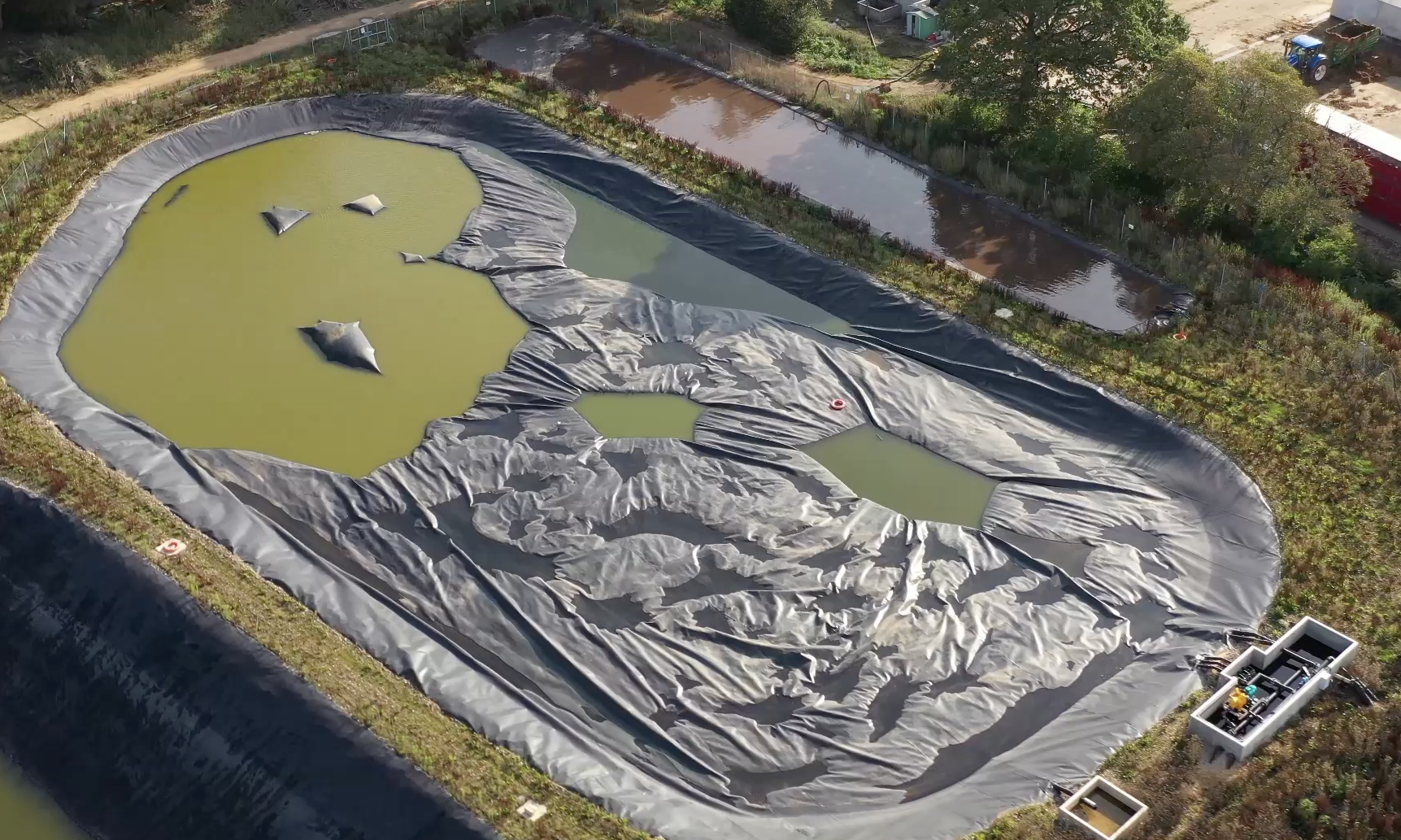
Anaerobic digestion (AD) – the process of producing “biogas” from organic matter like crops and wastes – has presented itself as the silver bullet to everything from producing green gas for heating and transport, to producing fertiliser for our crops. However, our research shows that, at best, AD is a sub-optimal sticking plaster solution, and at worst, it is sometimes actually perpetuating the problems it claims to solve.
Download Archived
Archived
January 2022

A New Front in Divestment Campaigning

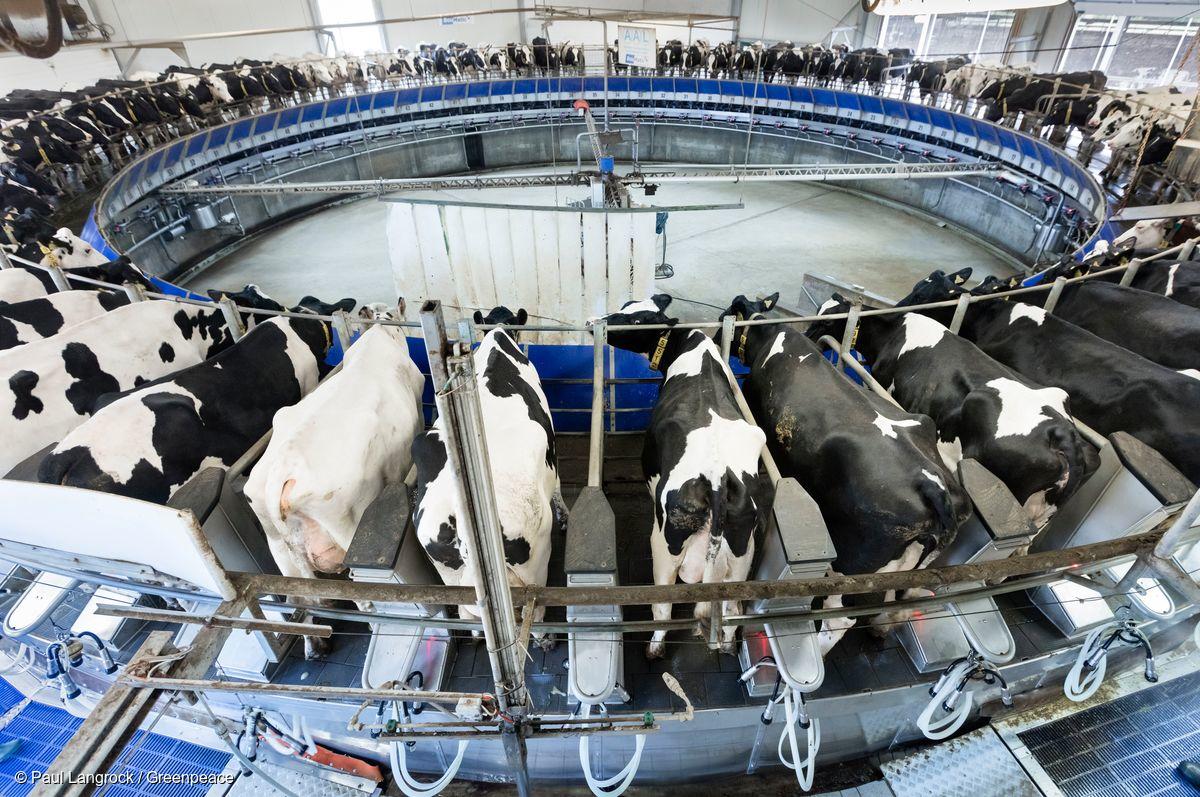
The UK’s local councils are pouring £238 million in pension fund money into industrial livestock investments, fuelling a destructive industry which causes climate change, deforestation, human rights abuses and industrial-scale animal cruelty.
Download Archived
Archived
November 2021

Dutch Supermarkets are avoiding responsibility for one third of their emissions

This report explores the role of Dutch supermarkets in addressing the country’s climate footprint by taking responsibility for the environmental impact of their high meat and dairy sales. The report is in Dutch, a summary in English is available here.
Download Archived
Archived
October 2021

Blindspot – How lack of action on livestock methane undermines climate targets

We contributed to Changing Markets report on methane. Climate scientists have confirmed that a focus on methane emissions – in addition to measures designed to reduce carbon dioxide emissions – will be crucial in determining whether global heating can be kept below 1.5°C.  Although the livestock sector is by far the largest contributor of human-induced methane emissions, the report reveals that both the biggest meat and dairy-producing countries – with some of the highest methane emissions – and the largest meat and dairy corporations are oblivious to the problem.
Download Archived
Archived
October 2021

The Shift to Paris-aligned Diets and Investor Risk in the UK Retail Sector

Food retailers face a new climate and sustainability front: in order to meet net zero goals, the UK must reduce meat and dairy consumption by least 50% by 2030 and beyond. Yet, currently, the majority of retailers are failing to face up to both long- and short-term physical and transitional climate risks associated with their meat and dairy sales. As markets continue to price climate risk into the value of equity securities, setting and meeting ambitious and accountable science-based targets on product emissions will become a bellwether of a retailer’s long-term viability. Investors have the opportunity to review potential retail investments in Foodrise's Meat and Climate Scorecard to assess their responsiveness to supply chain and regulatory risk.
Download Archived
Archived
August 2021

Addressing methane emissions through demand-side measures in the food system

Action to reduce methane emissions can avoid 0.3°C of warming by 2045, according to UNEP. While reduction in fossil fuel methane emissions is both vital and achievable, this briefing sets out the benefits to concurrently implementing global action plans to address the role of agriculture and food systems in generating methane emissions. This briefing sets out the case for the UK Presidency of COP26 to advocate for effective demand-side food system measures to achieve major methane reductions in the agriculture sector, bringing 1.5 degrees within reach.
Download Archived
Archived
July 2021

Living well on leftovers: the potential of nutrient recycling to contribute to a reduced livestock sector, within planetary boundaries

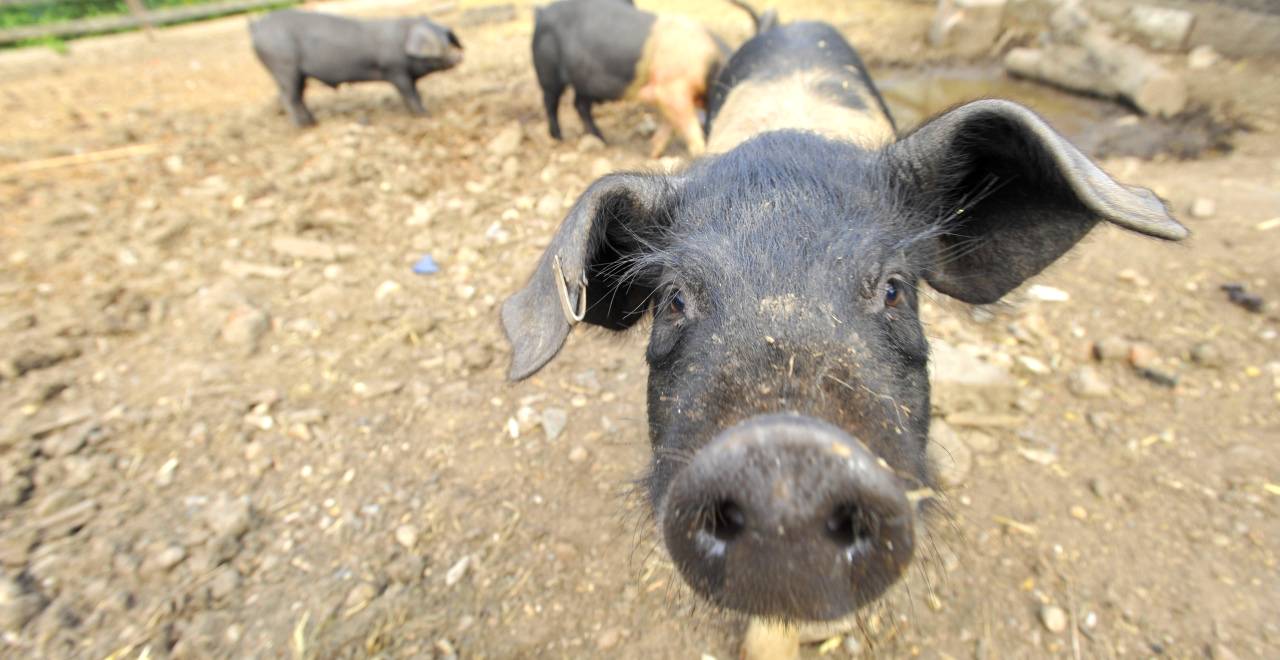
We need to eat significantly less meat but is it necessary to cut out meat and animal products from our diets completely? Our paper describes the important role that livestock should play at recycling unavoidable food waste in the food system and defines what less and better meat really looks like. Our evidence based definition of ‘better meat’ is meat from animals that are reared only on food waste and by-products and do not graze or eat crops from land that could be used to grow human-edible crops. In fact, eating some meat, fed exclusively on leftovers, maximises the nutritional output of our land and uses less land than a vegan diet.All this can be done safely by treating the food waste in specialist treatment facilities. Its important that money saved from feeding animals on leftovers does not lead to an increase in industrial livestock, or this will undo the climate benefits. The climate and land footprint of the UK’s pigs and chickens is predominantly abroad as the feed is imported. Our leftovers model creates a real opportunity to end the reliance on feed imports and their devastating effects on rainforests and the climate.
Download Archived