
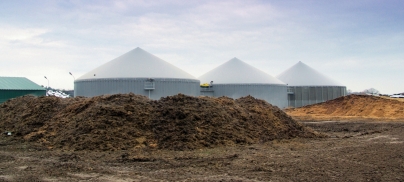
Foodrise’s response to the ADBA’s article ‘Why you MUST invest in anaerobic digestion and biogas to build back greener’
6th Nov 20
Foodrise provides some clarity and accuracy on our research findings on AD.
Foodrise provides some clarity and accuracy on our research findings on AD.
Why savouring glorious food in our climate plan is an opportunity we can all get behind.

Join Foodrise and friends for the Bucks Food Revolution! An online festival taking place on the 21st & 22nd November 2020.

Addressing food waste is a no regrets policy option on the road to net zero - but it needs a regulatory approach.
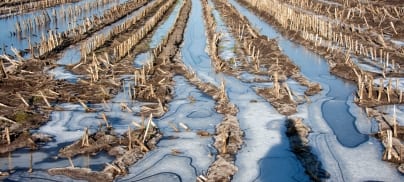
There's no good reason to grow bioenergy crops for “green gas” – let’s grow delicious food, plant trees and build better renewables instead.
Tackling food waste not only addresses SDG12, it can help us achieve Climate Action too.
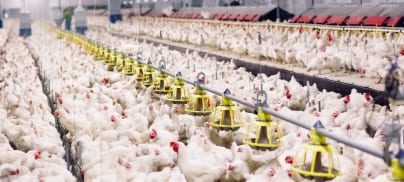
It's time to divest from Big Livestock.
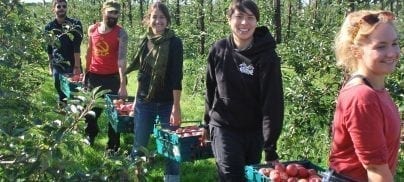
It is essential that we hold-on to the community spirit that sparked at the beginning of lockdown
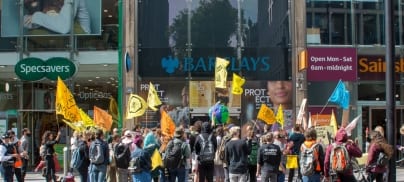
There is no version of climate and ecological justice that involves factory farming.
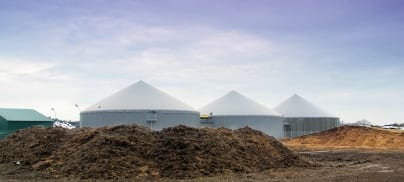
Biogas has been presented as a silver bullet for the climate crisis – but it is often a sticking plaster holding up more fundamental change.
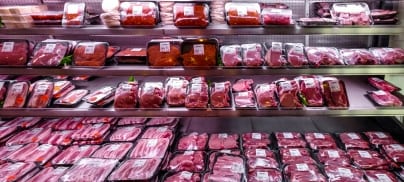
Who profits from the US meat processing sectors bumper pay-outs?

We have compiled some of our favourite blogs written by Foodrise staff
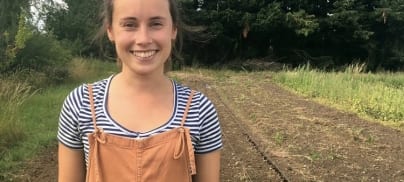
During my internship, I have been impressed with the lengths that Sutton Community Farm go to combat food waste in their environment.

The Liverpool Echo reports on the work of Foodrise's Alchemic Kitchen team in Knowsley.

At Foodrise, we have been reflecting on how our cooking habits have changed during this time.
We’re sharing the world’s largest dataset of who funds factory farming.

Foodrise welcomes part one of the National Food Strategy report, by Henry Dimbleby, published yesterday.
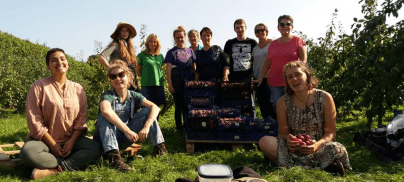
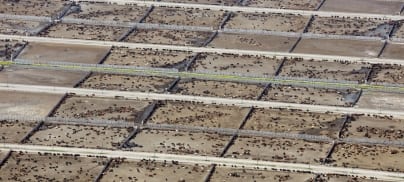
Industrial livestock is killing the planet, argues Carina Millstone. It’s time for investors to pull the financial plug.
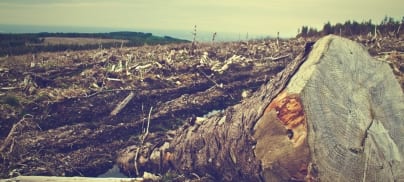
New evidence exposes links between Brazilian meat company JBS and ongoing deforestation in the Amazon.

There's a meaty omission from an industry commitment to reduce meat waste.
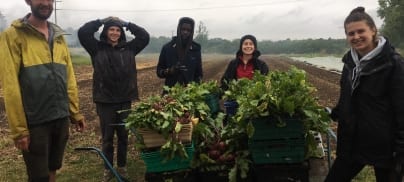
Being totally immersed in food is something I really enjoy about being on the farm.
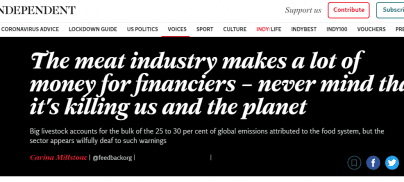
We’re reaching Peak Livestock just as we are Peak Oil – a reality that will cost investors dear if they prove slow to act.
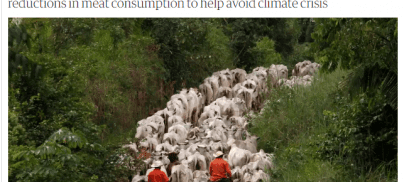
£380bn in backing comes despite calls by scientists for large reductions in meat consumption to help avoid climate crisis.
We use cookies where necessary to allow us to understand how people interact with our website and content, so that we can continue to improve our service.
We only ever receive anonymous information, and cannot track you across other websites.
